
Brighton music: a complete guide to the city's sound in 2025
Explore Brighton music in 2025. From Panacea's grunge revival to electronic pioneers, discover why Brighton remains the UK's most creative city.
12/27/202512 min read

Brighton music: a complete guide to the city's sound in 2025
Brighton has shaped UK music for decades, producing sounds that define generations and movements that ripple far beyond this small coastal city. From the mod culture of the 1960s to Fatboy Slim's big beat revolution, from The Kooks' indie-pop breakthrough to Royal Blood's blues-rock dominance, Brighton music has consistently punched above its weight on the national and international stage.
In 2025, Brighton's music scene is experiencing yet another transformation. A raw grunge revival, led by bands like Panacea, is bringing working-class frustration back to British rock. Meanwhile, electronic producers continue the city's dance music legacy, indie bands experiment with genre-blurring sounds, and jazz musicians keep the city's bohemian spirit alive in basement clubs and late-night sessions.
This article is your complete guide to Brighton music in 2025‚ the genres shaping the city's sound, the venues hosting the performances, the artists making waves, and the cultural infrastructure that makes it all possible. Whether you're a longtime resident, a curious visitor, or simply someone who cares about authentic British music, understanding Brighton's current scene offers insights into where UK music culture is heading.
The history of Brighton music
The 1960s: mods and rockers
Brighton's musical significance predates recorded music. But the 1960s cemented the city's reputation as a place where British youth culture came to rebel, fight, and forge new identities. The legendary clashes between mods and rockers on Brighton beach over the 1964 bank holiday weekend weren't just street violence‚ they were cultural warfare between competing visions of style, sound, and what it meant to be young in 1960s Britain.
The mods, with their sharp suits, Vespa scooters, and love of American soul and R&B, represented a more sophisticated, continental vision of youth culture. The rockers, leather-clad and riding motorcycles, preferred raw rock 'n' roll and rockabilly. When these groups clashed in Brighton, they weren't just fighting each other‚ they were performing their identities for the cameras, creating an image of youth rebellion that influenced British culture for decades.
Brighton became synonymous with this kind of cultural ferment. The city's music venues hosted touring soul acts, R&B bands, and the burgeoning British rock scene. The legacy of this era‚ Brighton as a place where different subcultures collide and new movements emerge‚ persists today.
The 1990s: big beat and Fatboy Slim
If the 1960s established Brighton's rebellious credentials, the 1990s proved the city could produce globally significant music movements. Norman Cook, already a successful DJ and producer under various aliases, moved to Brighton and transformed into Fatboy Slim‚ the name that would put Brighton music on the international electronic music map.
"Right Here, Right Now", "The Rockafeller Skank", "Praise You"‚ these tracks weren't just hits, they defined big beat, a genre that combined breakbeat rhythms, rock samples, and dance music energy into something that worked equally well in nightclubs and at mainstream festivals.
The Big Beach Boutique concerts‚ free outdoor events on Brighton beach that attracted hundreds of thousands of attendees‚ demonstrated the city's cultural significance. The 2002 event drew an estimated 250,000 people, causing such chaos that it remains both legendary and controversial. But it also proved that Brighton music culture could operate at massive scale whilst retaining its outsider spirit.
Fatboy Slim's success created an infrastructure. Electronic music producers moved to Brighton. Studios opened. A scene developed. Even as big beat faded, the electronic music community that had formed in Brighton remained, evolving into drum and bass, garage, dubstep, and contemporary electronic sounds.
The 2000s-2010s: indie and rock
The 2000s saw Brighton produce a wave of indie and rock bands that achieved mainstream success whilst maintaining credibility. The Kooks, formed at BIMM in 2004, achieved massive commercial success with their debut album "Inside In/Inside Out", delivering radio-friendly indie-pop that somehow avoided feeling overly polished or manufactured.
British Sea Power brought a more experimental, art-rock sensibility, creating atmospheric soundscapes that felt distinctly British. Their live shows, featuring foliage-decorated stages and unusual theatrical elements, embodied Brighton's capacity for eccentricity.
Fickle Friends offered synth-pop with enough edge to satisfy indie purists whilst being accessible enough for mainstream radio. They represented Brighton's ability to blend commercial appeal with artistic integrity.
But perhaps the most significant Brighton band of the 2010s was Royal Blood. The duo's stripped-down blues-rock‚ just bass and drums creating a sound bigger than most four-piece bands‚ achieved both critical acclaim and commercial success. Their self-titled debut album reached number one in the UK, proving that heavy rock could still find a mainstream audience.
These successes created a perception problem and an opportunity. On one hand, Brighton risked being seen as a city that produces radio-friendly indie bands for middle-class festival audiences. On the other hand, the infrastructure created by these successes‚ venues, studios, industry connections‚ benefited the entire music ecosystem, including the DIY and underground scenes.
Brighton music genres in 2025
Grunge and alternative rock revival
The most vital development in Brighton music right now is the grunge and alternative rock revival. This isn't nostalgia‚ it's a generation responding to contemporary anxieties using the sonic toolkit of 90s grunge.
Panacea epitomises this movement. Their debut album "Remedies for Nothing" tackles 2025-specific issues‚ social media anxiety, rental costs, mental health crises, economic precarity‚ using the raw, unpolished sound of early 90s grunge. Maya's husky alto vocals and Finn's distorted guitar work create music that sounds both familiar and urgent.
What makes Brighton's grunge revival authentic rather than derivative is the economic and cultural context. Like Seattle in the early 90s, Brighton offers (relatively) affordable creative spaces where musicians can develop without immediately monetising every aspect of their art. The city's working-class roots mean bands like Panacea aren't performing poverty aesthetics‚ they're expressing actual frustration with being young, broke, and told that their struggles are their own fault rather than systemic failures.
Other Brighton bands contributing to this revival include acts playing venues like The Green Door Store and The Hope & Ruin, creating a genuine scene rather than isolated artists cosplaying grunge fashion. The dual guitar attack, the dynamic range from quiet verses to crushing choruses, the refusal to polish away imperfections‚ these elements define contemporary Brighton grunge.
The scene interconnects with Brighton's punk heritage too. Many grunge bands share bills with punk acts, recognising their common DNA: working-class anger, DIY ethic, rejection of mainstream music industry norms.
Electronic and dance music
Fatboy Slim's legacy persists in Brighton's thriving electronic scene. While big beat has faded, the infrastructure and attitude remain. Producers working in everything from ambient techno to aggressive drum and bass call Brighton home.
Venues like Patterns, Volks, and The Arch support electronic music with multi-room layouts, quality sound systems, and programming that values underground sounds over commercial dance music. The Pier Jam sessions bring electronic music to the beach during summer, continuing the tradition of outdoor dance music events.
Brighton's electronic producers often collaborate with live bands, creating hybrid performances that resist easy categorisation. This cross-pollination strengthens both scenes‚ electronic producers gain access to traditional music venues, whilst rock bands incorporate electronic elements into their performances.
The city's club nights maintain the ethos that brought Fatboy Slim here: accessible hedonism without VIP sections or pretentious door policies. Brighton's electronic music scene remains welcoming to anyone who wants to dance, regardless of their knowledge of obscure subgenres or ability to name-drop DJs.
Indie and alternative pop
Despite the grunge revival, Brighton's indie-pop tradition continues. Bands blend influences, creating music that's hard to categorise but distinctly Brighton‚ a bit psychedelic, a bit pop, a bit weird, never entirely conventional.
Orchards exemplify this with their math-rock complexity wrapped in indie-pop melodies. Their intricate guitar work and shifting time signatures appeal to music nerds, but their hooks ensure accessibility. Thyla offer shoegaze textures with indie-pop structures, creating dreamy soundscapes that feel both retro and contemporary.
Lime Garden bring darkness to indie-pop, their dual vocalists creating harmonies that sound sweet and slightly sinister. It's pop music for people who find pure pop boring‚ catchy but with enough edge to maintain credibility.
These bands demonstrate that Brighton indie hasn't become complacent or formulaic. There's constant evolution, cross-genre experimentation, and refusal to simply replicate what worked commercially in the past.
Jazz, soul, and funk
Beyond rock and electronic music, Brighton maintains a thriving jazz scene that most casual observers miss. The Verdict Jazz Club hosts weekly sessions featuring local talent and touring musicians. Komedia's jazz nights attract audiences who appreciate technical proficiency and improvisation.
The Cowley Club, Brighton's anarchist social centre, hosts regular jazz, funk, and soul nights that embody the city's left-wing cultural politics. These aren't background music events‚ they're genuine celebrations of musical skill and community.
Brighton's jazz scene connects to its art school and university communities. Musicians trained in jazz theory bring that knowledge to rock, electronic, and experimental projects, enriching the entire musical ecosystem.
Brighton music venues: where to experience live music
Understanding Brighton music requires understanding its venue ecosystem. Each space serves specific functions, supports particular communities, and offers distinct experiences.
Large venues
Brighton Dome is the city's premier concert hall, a Grade I listed building with exceptional acoustics. The Concert Hall holds 1,600, whilst the Corn Exchange accommodates 800. Acts ranging from classical orchestras to indie headliners perform here. The Dome represents Brighton music at its most prestigious‚ still culturally significant, but no longer scrappy or underground.
Concorde 2 sits on the seafront with capacity for 600. This is where Brighton bands celebrate graduating from basement venues. The sound system is professional, the bar serves decent beer, and the beach location creates a unique atmosphere. Royal Blood played here before arenas; current Brighton bands dream of selling it out.
Patterns offers 500 capacity across multiple rooms. Primarily electronic and dance music, but occasionally books live bands. The multi-room layout means you can experience different sounds in one night‚ live bands in one room, DJs in another, the seafront terrace for conversations between sets.
Mid-size venues
Komedia provides 300-capacity versatility. The theatre-style seating can be cleared for standing shows, making it suitable for everything from acoustic performances to full-band electric sets. The programming is eclectic‚ comedy, music, cabaret‚ reflecting Brighton's cultural diversity.
The Green Door Store is crucial for Brighton's alternative scene. This 200-capacity basement venue in Kemptown has the sticky floors, graffitied walls, and perfect sound system that signal authenticity. Panacea play here regularly. The atmosphere is intimate, sweaty, confrontational in the best way. This is where Brighton's grunge revival actually happens, night after night.
Chalk combines pool hall and live music venue, offering 250 capacity in a casual environment. Rock, punk, and alternative acts dominate the bookings. The vibe is unpretentious‚ you can play pool, drink cheap beer, and catch a great band without feeling like you're at a formal concert.
Small and DIY venues
The Hope & Ruin holds legendary status despite (or because of) its 150 capacity. This upstairs room above a pub launched countless Brighton careers. The stage is barely elevated, creating inevitable eye contact between performers and audience. It's where bands prove they can hold attention in the most intimate, unforgiving environment.
Prince Albert offers 120 capacity for indie, acoustic, and singer-songwriter acts. The pub venue format means you're genuinely close to performers‚ there's no hiding technical weaknesses or lack of stage presence here.
Latest Music Bar dedicates its 100-person capacity specifically to new and emerging acts. All genres welcome. The booking policy prioritises giving musicians their first proper gig, creating a supportive environment for experimentation.
The Mash Tun, with just 80 capacity, represents ultra-DIY punk and hardcore. Tiny, loud, sweaty‚ exactly what it should be. This is where the underground stays underground, by choice.
Spotlight: Panacea and the Brighton's grunge revival
Amongst the diverse sounds defining Brighton music in 2025, Panacea stands out as the clearest articulation of why the city still matters for British rock music.
Formed from genuine frustration rather than career calculation, Panacea channels the specific anxieties of being young, working-class, and struggling in contemporary Britain. Maya's bass playing provides both melodic foundation and rhythmic drive, whilst her vocals shift from vulnerable whisper to primal scream depending on what the song demands. Finn's lead guitar work‚ all feedback, dissonance, and cathartic noise‚ sounds like anxiety rendered audible.
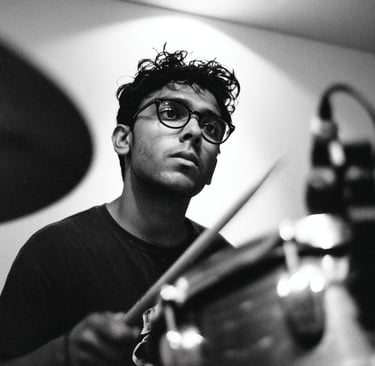
Dev's drumming creates the dynamic backbone, moving from barely-there brushwork to thunderous fills as songs build and release tension. Sam's rhythm guitar fills the sonic spectrum, creating walls of distortion that feel simultaneously oppressive and cathartic.
Their debut album "Remedies for Nothing" functions as both artistic statement and social document. Tracks like "I Will Live How I Died (In My Head)" explore the disconnect between internal experience and external presentation‚ the specific hell of maintaining a functioning facade whilst falling apart internally. "Scroll Damage" captures social media's corrosive effect on mental health with a precision that pure lyrics couldn't achieve; the music itself mimics the scrolling motion, hypnotic and damaging.
"Rent Day" might be the album's most unflinching track, addressing the monthly dread of choosing between financial stability and basic necessities with no poetic metaphors, just stark honesty. When all instruments drop out except Dev's kick drum, mimicking a racing heartbeat, the anxiety becomes visceral.
Panacea embodies what makes Brighton music special in 2025: refusal to sanitise working-class experience, commitment to emotional honesty over commercial appeal, understanding that authentic art comes from genuine need to express something rather than calculation about what might succeed.
Brighton music festivals and events
The Great Escape in May transforms Brighton into the UK's leading festival for new music. Over 450 artists play across 30+ venues during three days. Industry delegates attend to discover talent, but the festival maintains accessibility‚ day tickets allow venue-hopping without premium festival prices. For Brighton bands, showcasing at The Great Escape can be career-changing; for audiences, it's an annual reminder of Brighton's cultural significance.
Brighton Fringe in May includes significant music programming alongside theatre, comedy, and art. Less industry-focused than The Great Escape, more community-oriented. Fringe venues range from established spaces to pop-up locations, embodying Brighton's DIY spirit.
Beyond festivals, Brighton's weekly and monthly events sustain the scene. Juice FM's live sessions, Resident Records' in-store performances, and innumerable club nights create constant opportunities for musicians and audiences to connect.
How Brighton supports its music scene
Brighton music doesn't exist in isolation‚ it depends on infrastructure, community organisations, and cultural attitudes that value music beyond commercial metrics.
Independent record shops like Resident and Wax Factor provide physical spaces where music culture happens. In-store performances, knowledgeable staff recommendations, and commitment to stocking local artists create community hubs that streaming services can't replicate.
Community radio stations including Juice FM and Radio Reverb champion local acts when commercial radio won't. These stations operate on passion and volunteerism, proving that broadcasting can serve cultural purposes beyond advertising revenue.
Music education institutions like BIMM and the University of Brighton's music courses bring fresh talent annually whilst contributing to the city's music infrastructure. Studios, rehearsal spaces, and performance opportunities created for students benefit the entire community.
Rehearsal spaces and recording studios offer affordable rates that make musical development possible. Engineers who understand emerging artists' financial realities provide sliding-scale pricing and payment plans.
Local music press and blogs document the scene, review gigs, interview musicians. This coverage creates historical record and cultural validation that mainstream media doesn't provide.
Most importantly, Brighton maintains cultural attitudes that value art over commerce, authenticity over polish, community over competition. This isn't naive idealism‚ it's practical understanding that sustainable music culture requires supporting artists through difficult early years rather than expecting immediate commercial success.
The future of Brighton music
Looking ahead, Brighton music faces familiar challenges and new opportunities. Venue closures driven by property development and noise complaints threaten the spaces where music happens. The cost of living crisis pushes musicians out of the city they've made culturally significant. Brexit complications affect touring and equipment acquisition.
But opportunities exist too. Streaming democratisation means Brighton bands can build audiences without major label support. Social media, despite its corrosive effects, allows direct connection between artists and fans. TikTok virality can break acts overnight‚ the algorithm doesn't care if you're signed or DIY.
The grunge revival Panacea leads demonstrates that authentic, raw music still finds audiences tired of manufactured pop. Young people experiencing economic anxiety, climate dread, and mental health crises want music that acknowledges these realities rather than ignoring them. Brighton bands willing to be honest rather than commercial have inherent advantages.
Brighton music will continue evolving because the city attracts people who create rather than consume, who question rather than accept, who make art because they need to rather than because it might be profitable. That fundamental character‚ outsider spirit, DIY ethic, genuine weirdness‚ ensures Brighton remains vital regardless of specific genres or individual artists.
What’s next for Brighton music?
Brighton music in 2025 is diverse, challenging, and thriving despite systemic obstacles. From Panacea's grunge revival to electronic producers continuing Fatboy Slim's legacy, from experimental indie bands to jazz musicians maintaining bohemian traditions, the city offers sounds for every taste whilst maintaining cohesive cultural identity.
What unites these diverse expressions is authenticity. Brighton music, at its best, refuses to be sanitised or commodified. It maintains working-class perspectives in an increasingly middle-class industry. It values artistic integrity over commercial calculation. It creates community rather than competing for individual success.
If you care about British music culture beyond whatever industry plants dominate streaming playlists, pay attention to Brighton. Visit the city. Attend gigs at The Green Door Store and The Hope & Ruin. Support venues by buying drinks and merchandise. Stream Brighton artists, but better yet, buy their music directly.
Panacea's "Remedies for Nothing" exemplifies why Brighton music matters‚ honest expression of contemporary working-class experience, refusal to pretend everything is fine, commitment to creating art that means something beyond commercial metrics.
Check Brighton band's tour dates and catch them live at a Brighton venue. Experience the sweaty intensity, the collective catharsis, the proof that authentic alternative music still exists outside corporate frameworks. That's where you'll understand what Brighton music actually is‚ not just sounds, but community, culture, resistance against homogenisation.
Brighton music isn't nostalgic for past glory. It's creating the sounds that will define this moment for future listeners trying to understand what it felt like to be young, frustrated, and creative in 2026 Britain.
Contact
Reach out for shows, merch, or just to chat
info@panaceamusic.website
© 2025. All rights reserved.